
Robert F. Kennedy Jr. Voices Concerns About Preventable Autism
Robert F. Kennedy Jr.’s recent statements on autism prevention have sparked widespread debate. This article examines the science behind preventable autism claims, public reactions to Kennedy’s comments, and key initiatives for autism advocacy. We’ll explore the evidence supporting and refuting these assertions, helping readers understand the complexities of this issue and make informed decisions about autism prevention strategies.
Robert F. Kennedy Jr. Raises Awareness on Autism Concerns
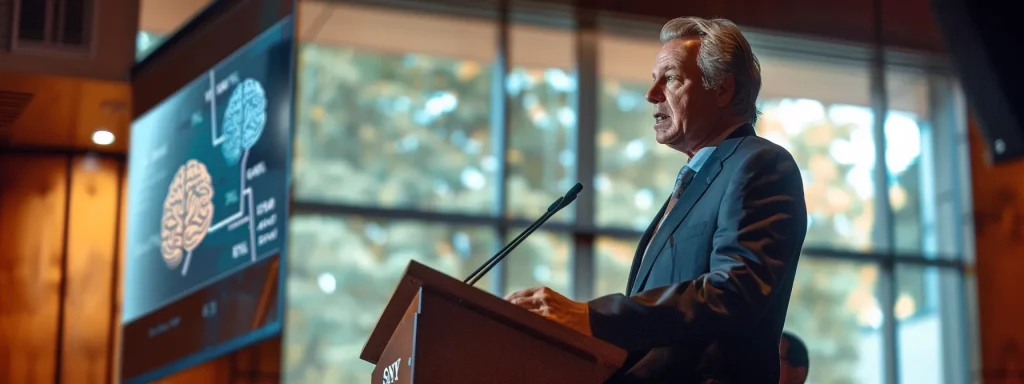
Robert F. Kennedy Jr.’s stance on autism emphasizes potential environmental factors and preventable causes. His advocacy explores the disorder‘s link to prenatal exposures and early childhood interventions. Kennedy’s work highlights the importance of education and early detection, including recognizing signs such as limited eye contact. He argues that understanding these factors could lead to better support for individuals across the gender spectrum affected by autism.
Understanding Robert F. Kennedy Jr.'s Position on Autism
Robert F. Kennedy Jr.’s position on autism emphasizes the potential role of environmental factors in its development. He advocates for increased research into prenatal exposures and early childhood interventions, highlighting the importance of recognizing signs like echolalia and limited eye contact. Kennedy’s approach incorporates knowledge from various fields, including neuroscience and the study of neurotransmitters like GABA, to better understand and support individuals with autism spectrum disorders, including Asperger syndrome. His work also addresses the impact on siblings and families, aiming to promote comprehensive support systems.
Exploring the Link Between Environmental Factors and Autism
Robert F. Kennedy Jr.’s advocacy explores the potential link between environmental factors and autism, emphasizing the importance of research into preventable causes. He encourages health care professionals to consider nonverbal communication cues and engage in meaningful conversations with parents about their children’s health. Kennedy’s work also examines the controversial topic of vaccines and their potential impact on autism rates, urging for more comprehensive studies to better understand this complex relationship.
Highlighting Preventable Autism: What Does It Mean?
Robert F. Kennedy Jr.’s concept of “preventable autism” focuses on potential environmental factors that may contribute to autism spectrum disorders. He advocates for increased surveillance and research by organizations like the Centers for Disease Control and Prevention to identify possible triggers or risk factors. Kennedy emphasizes the importance of early diagnosis and intervention, suggesting that proactive measures could improve prognosis for affected individuals. This approach encourages parents and healthcare providers to be vigilant in monitoring child development, including observation of play behaviors with toys and social interactions.
Kennedy’s message sparked debate. Now, we turn to the evidence behind such claims.
Examining the Science Behind Preventable Autism Narratives

This section examines the scientific evidence behind preventable autism narratives. It investigates studies linking vaccines to autism claims, explores the role of genetics in autism development, and analyzes data from public health sources on autism rates. The content delves into eye-related symptoms, genetic factors, and learning challenges associated with pervasive developmental disorders not otherwise specified, providing a comprehensive overview of current research in the field.
Investigating Studies Linking Vaccines to Autism Claims
Studies investigating the potential link between vaccines and classic autism have yielded complex results. Researchers have examined various factors, including pregnancy complications and early childhood development, to understand the origins of pervasive developmental disorders. While some studies have explored the impact of vaccines on speech development and neurological functions, the scientific consensus does not support a causal relationship between vaccinations and autism spectrum disorders. Ongoing research continues to investigate environmental and genetic factors that may contribute to the development of autism, focusing on early intervention strategies to improve outcomes for affected individuals.
The Role of Genetics in Autism: What Research Shows
Genetic research has provided significant insights into the role of heredity in autism spectrum disorders. Studies have identified numerous genes associated with autism, suggesting a complex interplay between genetic predisposition and environmental factors. The autism rights movement has emphasized the importance of understanding these genetic components while advocating for policies that support individuals with diverse neurological profiles. Research has also explored how genetic variations may influence behaviors such as stimming and the ability to interpret social cues, contributing to a more nuanced understanding of autism’s genetic underpinnings.
Analyzing Data From Public Health Sources on Autism Rates
Public health sources provide crucial data on autism rates, offering insights into trends and patterns. Caregivers and health professionals rely on this information to better understand the prevalence of autism spectrum disorders and develop strategies for support. While some advocate for a cure, others focus on improving cognition and fostering understanding within communities. These data sources also help track changes in diagnostic criteria and their impact on friendship and social interactions for individuals with autism.
The science behind autism prevention claims is complex. Yet public reaction to Kennedy’s statements was swift and intense.
Discussing Public Reaction to Kennedy's Statements on Autism

Robert F. Kennedy Jr.’s statements on autism have sparked diverse public reactions, influencing discussions on vaccination and health policies. This section examines public sentiment, debates among health experts, and the impact of celebrity voices on autism perception. It explores how genetics, behavior, and community factors shape the discourse, highlighting the complex interplay between scientific evidence and public opinion.
Evaluating Public Sentiment on Autism and Vaccination
Public sentiment on autism and vaccination remains divided, with varied opinions across different communities. Medical clinics report diverse experiences when discussing vaccination with parents, reflecting the complex nature of the issue. Some individuals express concerns about potential links between vaccines and brain development, while others emphasize the importance of vaccination for public health. The debate often centers on balancing individual choices with societal well-being, considering factors such as communication skills and gestural development in children.
Exploring the Debate Among Health Experts on Autism Claims
Health experts continue to debate the claims surrounding autism, with discussions focusing on the experiences of autistic individuals and the complex interplay of factors like bipolar disorder. Researchers analyze phrases and emotional cues to gather information about autism spectrum disorders, aiming to develop more effective interventions and support systems. While some experts emphasize the role of genetics, others explore environmental influences, fostering a multifaceted approach to understanding and addressing autism-related challenges.
The Impact of Celebrity Voices on Public Perception
Celebrity voices, like Robert F. Kennedy Jr.’s, significantly influence public perception of autism and related issues. In the United Kingdom and beyond, these prominent figures shape discussions on topics such as medication, language development, and intrauterine growth restriction. Their statements can impact how the public views scientific research, including studies on cellular mechanisms related to autism spectrum disorders. This influence underscores the importance of accurate, evidence-based information in public discourse about autism and its potential causes.
The public’s response echoed across the nation. Now, we turn to the critical steps for autism prevention and advocacy.
Identifying Key Initiatives to Prevent Autism and Advocate Change

Robert F. Kennedy Jr.’s advocacy for preventable autism focuses on key initiatives to raise awareness and drive change. These efforts include promoting campaigns to educate parents and society about potential autism triggers, supporting legislative action to address environmental factors, and encouraging research into preventable causes. The initiatives aim to empower autistic individuals and their families while fostering a deeper understanding of autism in society.
Promoting Awareness Campaigns Around Autism Prevention
Awareness campaigns promoting autism prevention focus on educating the public about potential environmental factors and early intervention strategies. These initiatives often emphasize the importance of neurodiversity while providing data-driven insights into applied behavior analysis and other therapeutic approaches. By highlighting employment opportunities and support systems for individuals with autism, these campaigns aim to foster a more inclusive society that recognizes the unique strengths and challenges associated with autism spectrum disorders.
Legislative Efforts to Address Environmental Triggers
Legislative efforts to address environmental triggers of autism have gained traction in recent years. Lawmakers have proposed bills to regulate potential environmental factors, such as certain chemicals and pollutants, that some researchers believe may contribute to autism development. These initiatives also consider the complex relationship between autism and other neurological conditions, including schizophrenia, to develop comprehensive policies that support individuals across the neurodevelopmental spectrum.
Supporting Research Into Preventable Causes of Autism
Robert F. Kennedy Jr. advocates for increased research into preventable causes of autism. He supports initiatives that investigate environmental factors, prenatal exposures, and early childhood interventions. These research efforts aim to identify potential triggers and develop strategies for early detection and intervention, potentially improving outcomes for individuals with autism spectrum disorders.
Controversy followed Kennedy’s comments. Critics challenged his views, sparking a fierce debate.
Reviewing Counterarguments to Kennedy's Autism Comments
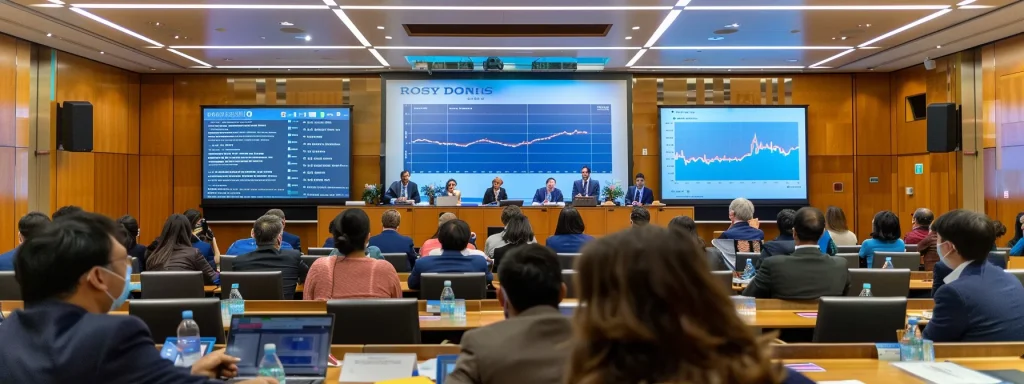
This section examines counterarguments to Robert F. Kennedy Jr.’s claims about preventable autism. It presents perspectives from health experts challenging these assertions, analyzes critiques of vaccine-autism connections, and explores the medical community‘s consensus on autism. These topics provide a balanced view of the ongoing debate surrounding autism causes and prevention strategies.
Presenting Health Expert Perspectives Against the Claims
Health experts widely challenge Robert F. Kennedy Jr.’s claims about preventable autism, citing extensive research that refutes a link between vaccines and autism spectrum disorders. The medical community emphasizes the genetic and neurological basis of autism, highlighting that current scientific evidence does not support the concept of “preventable autism” as presented by Kennedy. Experts stress the importance of early intervention and support for individuals with autism, rather than focusing on unproven prevention strategies.
Analyzing the Critiques of Vaccine-Autism Connections
Scientific studies have consistently refuted claims of a connection between vaccines and autism. Researchers have conducted extensive analyses, including large-scale epidemiological studies, which demonstrate no causal link between vaccinations and autism spectrum disorders. Critics of the vaccine-autism hypothesis emphasize the importance of evidence-based medicine and public health strategies in addressing autism concerns.
Understanding the Consensus of Medical Communities on Autism
The medical community overwhelmingly agrees that autism is a complex neurodevelopmental disorder with genetic and environmental factors, not a preventable condition. Leading health organizations, including the Centers for Disease Control and Prevention and the American Academy of Pediatrics, emphasize that vaccines do not cause autism. Experts stress the importance of early diagnosis and intervention to support individuals with autism spectrum disorders, focusing on evidence-based therapies and accommodations rather than unproven prevention strategies.
Debate raged, but facts emerged. Now, we look to the future of autism understanding and support.
Outlining Future Directions for Autism Advocacy and Awareness

Future directions for autism advocacy and awareness focus on comprehensive research into causes, collaborative efforts among researchers and advocates, and inclusive conversations. These initiatives aim to deepen understanding of autism spectrum disorders, foster cooperation between stakeholders, and promote broader societal acceptance. By addressing these key areas, advocacy efforts seek to improve support and outcomes for individuals with autism.
Advocating for Comprehensive Research on Autism Causes
Advocacy efforts emphasize the need for comprehensive research into autism causes. These initiatives aim to explore genetic factors, environmental influences, and potential interactions between them. By promoting rigorous scientific studies, advocates seek to enhance understanding of autism spectrum disorders and inform more effective interventions and support strategies.
Building Collaborative Efforts Among Researchers and Advocates
Collaborative efforts between researchers and advocates are essential for advancing autism understanding and support. These partnerships combine scientific expertise with real-world experiences, leading to more comprehensive and effective approaches. By fostering open communication and shared goals, these collaborations can drive innovative research, improve support services, and enhance public awareness of autism spectrum disorders.
Encouraging Inclusive Conversations Around Autism Awareness
Inclusive conversations about autism awareness foster understanding and acceptance in communities. These dialogues bring together diverse perspectives, including autistic individuals, families, educators, and healthcare professionals. By creating spaces for open discussion, society can address misconceptions, promote neurodiversity, and develop more effective support systems for those on the autism spectrum.
Key Takeaways on RFK Jr.’s Preventable Autism Claims
Robert F. Kennedy Jr.’s stance on preventable autism has sparked significant debate and public discourse. His advocacy emphasizes potential environmental factors and early interventions, challenging conventional understanding of autism spectrum disorders. While Kennedy’s claims face strong opposition from the medical community, his efforts have raised awareness and prompted further research into autism causes. The ongoing discussion underscores the importance of comprehensive, evidence-based approaches to autism research, support, and awareness.
Learn more about our services on our Pre-Authorization Assistance page.
Visit our services for more details.
Visit our homepage for more details. easycarebilling.com. Contact us Today @ 502-514-9155
Instagram: https://www.instagram.com/medicalbillling/
Twitter: https://twitter.com/vicky_easycare