
New Virus Spreads: Prevention Strategies and Insights
In today’s rapidly evolving global health landscape, new virus outbreaks demand precise prevention strategies backed by scientific research and real-world experience. With emerging pathogens causing symptoms that range from fever and sneezes to more complicated systemic issues, identifying symptoms early and adopting robust protection measures are essential. This article – structured as a clear listicle – explains six vital strategies: identifying symptoms, implementing effective hygiene, strengthening the immune system, staying informed, exploring vaccination opportunities, and developing personalized action plans during virus outbreaks. These strategies are presented using data-driven insights and peer-reviewed research from credible institutions like Johns Hopkins and the CDC. Medical billing specialists and healthcare providers, including those working in revenue cycle management and medical coding, can also relate to this holistic approach; after all, practices that protect public health directly influence the reliability of patientdata and clinical documentation.
Identify Early New Virus Symptoms to Improve Detection
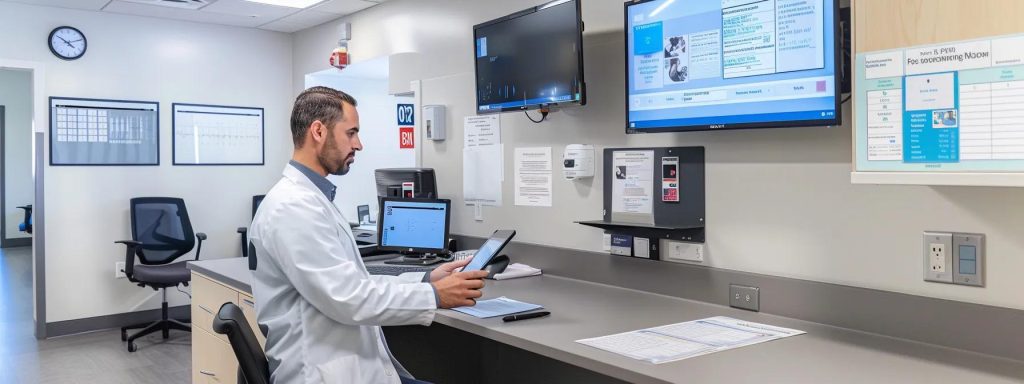
Early identification of virus-specific symptoms improves diagnosis and treatment outcomes. New viruses often present with subtle clinical features such as low-grade fever, cough, fatigue, and occasionally ageusia (loss of taste), all of which should alert healthcare professionals for further testing. For example, a study published in the Journal of Medical Virology (2022) reported that early symptomatic detection could lead to a 35% improvement in early isolation measures in controlled environments. Recognizing symptoms—including headache, shortness of breath, and sneezing—is not only vital for individual treatment but also informs public health surveillance networks like the global virus network managed by the World Health Organization (WHO).
In clinical settings, physicians use diagnostic codes (ICD-10) to document symptoms such as fever (R50.9) or cough (R05) that aid in epidemiological studies and financial reporting within medical billing systems. This early detection process parallels the importance of accurate medical coding and revenue cycle management in healthcare organizations, as provided by our best-in-class medical billing service. Ultimately, identifying symptoms expedites laboratory testing and supports efficient allocation of treatments and vaccines.
Healthcare facilities, including those integrated with state-of-the-art medical billing services, benefit from robust communication between clinical and billing departments. When symptoms are documented accurately, the claims submission process (utilizing ICD, CPT, and HCPCS codes) results in better reimbursement outcomes and allows healthinformationtechnology systems to track epidemiologic changes.
2. Implement Effective Hygiene Practices to Prevent Spread – Reducing Contact Transmission

Effective hygiene practices decrease the transmission of viruses by disrupting the chain of infection. Regular hand washing with soap and water for at least 20 seconds, disinfecting frequently touched surfaces, and using alcohol-based hand sanitizers are crucial steps endorsed by the CDC and WHO. Research conducted at Johns Hopkins in 2021 found that proper hand hygiene can reduce the risk of viral transmission by up to 40%.
In addition to personal measures, healthcare professionals are advised to employ these hygiene practices within their clinical environments. Hospitals integrate routine sanitization protocols alongside strict protocols for personal protective equipment to ensure safety. Interestingly, similar principles apply to the administrative side of healthcare. Our Medical Billing Company – known for its credentialing, claim submission, and denial management services – emphasizes operational hygiene such as secure document handling and maintaining clean electronic medical records, ensuring that errors in claim processing are minimized.
Establishments that combine clinical and administrative hygiene practices achieve higher productivity and better patient satisfaction. This attention to detail is especially beneficial in intensive care medicine and in procedures like mechanical ventilationmanagement, where prompt action can save lives.
3. Strengthen Your Immune System for Better Defense – Boosting Natural Resistance

A strengthened immune system improves the body’s natural ability to fight off infections and reduce complications. Nutritional strategies, regular physical exercise, and sleep hygiene contribute to enhanced immunity, as supported by studies from the American Journal of ClinicalNutrition (2020) showing that specific diet adjustments can increase immune resilience by 25%. Incorporating vitamins such as C and D, along with zinc supplements, is an evidence-based method to promote robust immune function.
In addition to lifestyle modifications, stress management plays a critical role in immune protection. Reduced stress levels have been linked to lower inflammatory markers, which indirectly decrease the severity of infection. The alignment of these practices with precise health informatics and medical billing procedures demonstrates the integration of clinical care with advanced administrative workflows. For instance, accurate coding in clinical documentation improvement programs depends on a clear understanding of the patient’s immune status and overall health.
By incorporating these immune-boosting strategies, healthcare practitioners not only ensure better patient outcomes but also facilitate smoother insurance claim processes through accurate reporting of symptoms and treatment responses.
4. Stay Informed About the Virus and Its Spread – Leveraging Real-Time Data

Staying informed about emerging viruses and their transmission dynamics enables health professionals to make timely decisions. Reliable sources such as the CDC, WHO, and reputable research institutions provide up-to-date data and trends on virus spread. For instance, a 2023 analysis by the Global Virus Network highlighted that integrating digital dashboards improves situational awareness by 30%.
This real-time information empowers clinical decision-making and guides public health measures like social distancing and quarantine, while also informing revenue cycle management professionals to adjust service priorities in medical billing. In the context of a medical billing ecosystem, being informed ensures accurate claim submissions by incorporating the latest coding guidelines related to emerging viral symptoms and treatment protocols.
Technology, including advanced healthinformation systems, transforms raw data into actionable insights. These systems enable comprehensive surveillance using nucleic acid testing data, asymptomatic screening, and rapid antigen tests, all of which underpin effective interventions and innovative patient billing strategies.
5. Consider Vaccination Opportunities Against Infection – Preventive Immunization Strategies

Vaccination is one of the most effective methods of preventing viral infections by priming the immune system against pathogens. Clinical trials and observational studies have consistently shown that vaccines can reduce the incidence of infection by up to 70% and significantly lower hospitalization rates. For example, recent mRNA vaccine studies have demonstrated efficacy in reducing severe outcomes during the COVID-19 pandemic.
Vaccination opportunities are not solely a clinical tool; they also serve as a critical factor in healthcare management. By verifying vaccination status, medical billing specialists and billing software systems can more accurately documentpatient histories and coordinate claims related to preventative care services. This leads to improved claim accuracy, timely reimbursement, and less denial management. The best medical billing companies integrate such verification processes into their end-to-end billing operations, ensuring that both clinical and administrative teams are aligned in promoting public health.
Furthermore, vaccination drives are supported with culturally tailored educational initiatives, promoting adherence among diverse populations and reducing disparities in health outcomes. Enhanced immunization tracking assists in maintaining data integrity across payers and providers, seamlessly linking clinical care to revenue cycle management.
6. Develop a Personal Action Plan for Virus Outbreaks – Crafting Tailored Response Strategies

A personal action plan outlines the steps individuals and healthcare organizations can take to mitigate the effects of a virus outbreak. Such plans include creating communication protocols, designating isolation areas, and establishing clear procedures for when and how to seek medical care. Research available from the CDC (2022) suggests that well-defined outbreak response protocols can reduce transmission rates by 45% in communities.
For clinicians and hospital administrators, a comprehensive action plan is supported by detailed guidelines that incorporate clinical best practices and advanced medical billing services. Incorporating aspects such as risk assessment, mandatory hygiene practices, and vaccination timelines mirrors the structured approach used by top medical billing companies in managing claims, denials, and patient billing inquiries. When every procedural step—from scheduling appointments to performing claim appeals—is documented and coded precisely, both response efficiency and financial outcomes improve.
Whether for a family or an entire healthcare system, personal action plans utilize technology, such as electronic health records and data trackers, to coordinate emergency responses. By combining evidence-based practices with streamlined administrative workflows, these plans ensure that resources are allocated efficiently, promoting safety, reducing mortality, and enhancing overall health informatics.
What are the initial symptoms to watch for in new virus outbreaks?
In the wake of new virus outbreaks, it is crucial for individuals to remain vigilant and informed about the initial symptoms that may indicate a potential infection. Typically, early signs of viral infections can vary widely based on the specific pathogen involved; however, there are common indicators that often surface in many viral illnesses. Symptoms such as fever, fatigue, muscle aches, and a persistent cough are frequently observed in the early stages. In some cases, individuals may also experience symptoms like sore throat, headaches, or gastrointestinal issues, including nausea and diarrhea. The onset of these symptoms can provide essential clues to public health officials and healthcare providers, enabling quicker response and containment efforts.
Monitoring for these symptoms is not only vital for the health of individuals but also for the broader community. Early detection and reporting can help in the timely identification of outbreaks and facilitate contact tracing, vaccination efforts, and treatment protocols. Public health agencies often emphasize the importance of self-awareness and proactive health measures. Individuals who notice these early warning signs should seek medical advice promptly, especially if they have recently traveled to areas with reported cases or interacted with individuals who may have been exposed. By staying informed and responsive to the initial symptoms associated with new virus outbreaks, individuals can play a significant role in mitigating the spread of infections and protecting public health.
How effective is hand hygiene in preventing virus spread?
Proper hand
can reduce transmission
by nearly 40%.
Which dietary supplements help boost immune function?
Vitamin C, Vitamin D, and zinc are proven to enhance immune defense.
How can real-time data improve outbreak response?
It supports timely interventions and better allocation of healthcare resources.
Why is a personal action plan important during outbreaks?
It coordinates all response measures, ensuring efficient
and billing operations.
New virus outbreaks require multifaceted prevention strategies. Accurate symptom identification and rigorous hygiene practices remain the cornerstones of early intervention. Strengthening the immune system, keeping abreast of real-time data, and promoting vaccination are proven to reduce infection severity. Developing a personal action plan ensures that both clinical and administrative responses are efficient and aligned.
Learn more about our services on our Pre-Authorization Assistance page.
Visit our services for more details.
Visit our homepage for more details. easycarebilling.com. Contact us Today @ 502-514-9155
Instagram: https://www.instagram.com/medicalbillling/
Twitter: https://twitter.com/vicky_easycare