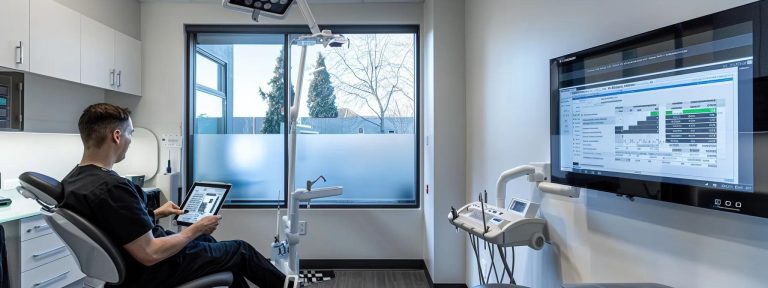
The Future Demand for Medical Billing and Coding Explained
Are you curious about the future of medical billing and coding? This article explores the evolving job market, essential skills, and technological advancements shaping the industry. We’ll examine how telehealth is impacting billing practices and forecast the demand for professionals in this field. By the end, you’ll understand the career prospects and how to prepare for success in medical billing and coding. Whether you’re considering a career change or looking to stay ahead in your current role, this information will help you navigate the future of this vital healthcare sector.
Analyzing Trends in Medical Billing and Coding Job Markets

Medical billing and coding job markets are evolving rapidly. This section examines top industries hiring medical billing specialists, evaluates geographical hotspots for coding opportunities, and explores salary expectations in the sector. Understanding these trends is crucial for professionals managing accounts receivable, nurses transitioning to coding roles, and medical billing companies seeking skilled staff. The analysis covers medical classification systems and remittance processes, providing valuable insights for career planning and industry growth.
Identify the Top Industries Hiring for Medical Billing Specialists
The healthcare industry remains the primary employer for medical billing specialists, with hospitals, clinics, and private practices leading the demand. Health insurance companies also seek skilled professionals to process claims and ensure compliance with the Health Insurance Portability and Accountability Act. Additionally, billing services companies offer opportunities for specialists to handle accounts for multiple healthcare providers, often considered the gold standard in the field. Licensed practical nurses transitioning to medical billing roles find opportunities in long-term care facilities and home health agencies, where their clinical knowledge enhances billing accuracy and income potential.
Evaluate Geographical Hotspots for Coding Opportunities
Geographical hotspots for medical coding opportunities are concentrated in urban areas with high concentrations of healthcare facilities. Cities like New York, Los Angeles, and Chicago offer numerous positions in hospitals and medical practice management software companies. However, the rise of remote work in medicine has expanded opportunities across the country. Rural areas, while offering fewer positions, often provide competitive salaries due to lower living costs. Professional certification in managed care coding can increase job prospects in regions with a high density of insurance providers. Vocational education programs in medical billing and coding are adapting to meet the demand in these evolving geographical trends.
Examine Salary Expectations in the Medical Billing Sector
Salary expectations in the medical billing sector vary based on factors such as experience, certification, and location. Entry-level professionals with knowledge of medical terminology and diagnosis codes can expect salaries starting around $35,000 annually. Those with advanced skills in insurance claim processing and specialized medical coding certifications often earn upwards of $60,000 per year. Some employers offer scholarships for continuing education, which can lead to higher earning potential. Rural areas may offer competitive salaries due to lower living costs, while urban centers typically provide more opportunities for career advancement.
The medical billing landscape shifts like sand in the wind. To stay ahead, coders must adapt and learn new skills.
Understanding the Skills Required for Future Medical Coders

Future medical coders require a blend of technical expertise and soft skills to excel in the evolving healthcare industry. This section explores essential technical abilities, the importance of interpersonal skills, and key certifications that enhance employability for medical billing specialists and coding specialists. Understanding these requirements is crucial for those pursuing a career in certified billing or seeking an associate degree in the field.
Discover Essential Technical Skills for Medical Coding Success
Future medical coders must master essential technical skills to succeed in the evolving healthcare industry. Proficiency in medical codingsoftware and automation tools is crucial for streamlining the reimbursement process and ensuring accurate payment. Coders need to develop a comprehensive checklist approach to verify diagnoses, procedures, and insurance claims, minimizing errors and optimizing revenue cycles. Additionally, staying updated on the latest healthcare regulations and coding standards is essential for maintaining compliance and adapting to industry changes.
Explore the Importance of Soft Skills in Healthcare Billing
Soft skills play a crucial role in healthcare billing and coding, complementing technical expertise. Effective communication skills enable professionals to collaborate with medical staff, clarify patientmedical history, and navigate complex billing processes. Problem-solving abilities are essential when dealing with issues related to the circulatory system or other medical specialties. Ethics and integrity form the foundation of accurate coding practices, ensuring compliance with healthcare regulations and maintaining trust in the billing process.
List Certifications That Enhance Employability in Coding
Certifications significantly enhance employability in medical billing and coding. The Certified Professional Coder (CPC) credential, offered by the American Academy of Professional Coders, demonstrates expertise in medical coding and is highly valued by employers. For those specializing in medical billing, the Certified Medical Billing Specialist (CMBS) certification showcases proficiency in managing the revenue cycle and processing superbills. Additionally, obtaining specialty certifications in areas such as inpatient coding or risk adjustment can further increase a professional’s marketability and skill set in the evolving healthcare management landscape.
Medical coding skills evolve rapidly. Technology drives these changes, reshaping the industry’s future.
Investigating Technological Advancements Shaping the Industry

Technological advancements are reshaping medical billing and coding, impacting health information technicians and medical billers. This section examines automation‘s effect on billing processes, AI’s role in improving coding accuracy, and emerging software tools. Informationtechnology is transforming the industry, requiring professionals to adapt their language and organizational skills to stay competitive in this evolving field.
Analyze the Impact of Automation on Billing Processes
Automation has revolutionized medical billing processes, streamlining tasks and reducing errors. Advanced software systems now handle claim submissions, patientdata management, and Medicaid reimbursements with increased efficiency. This technological shift has prompted medical billingprofessionals to pursue specialized certification and training in automated systems. While automation has reduced the need for manual data entry, it has created new opportunities for skilled workers to manage complex cases, interpret results, and ensure compliance with evolving healthcare regulations.
Review the Role of AI in Improving Coding Accuracy
Artificial Intelligence (AI) has significantly improved coding accuracy in medical billing, reducing expenses and enhancing attention to detail. AI-powered medical billingsoftware can analyze vast amounts of health insurancedata in the United States, including complex nursing home claims, with greater precision than human coders. These advanced systems learn from patterns in medical records, adapt to new coding standards, and flag potential errors, ultimately streamlining the reimbursement process and minimizing claim denials.
Examine Emerging Software Tools Used in Medical Billing
Emerging software tools in medical billing have revolutionized practice management and streamlined interactions with insurance payers. Advanced platforms like CollaborateMD integrate seamlessly with electronic health records, offering healthprofessionals intuitive interfaces for efficient claim processing. These tools incorporate machine learning algorithms to predict potential claim denials, allowing billers to proactively address issues before submission. Additionally, cloud-based solutions enable remote access, facilitating flexible work arrangements and enhancing collaboration among billing teams, even in classroom settings for training purposes.
Technology reshapes medical billing daily. Telehealth emerges as a game-changer, demanding our attention.
Considering the Role of Telehealth in Medical Billing

Telehealth’s rapid growth has significantly impacted medical billingpractices, necessitating adjustments in claims management and revenue cycles. This section examines how virtual consultations have altered billing procedures, explores coding modifications for telehealth services, and identifies new billing codes introduced to accommodate remote healthcare delivery. Understanding these changes is crucial for maintaining accurate electronic health records and ensuring proper reimbursement for telehealth services.
Assess How Telehealth Services Change Billing Practices
Telehealth services have significantly altered billing practices, requiring medical coders to adapt their skills and knowledge. The Bureau of Labor Statistics predicts an increasing demand for professionals who can navigate the complexities of remote healthcare billing. This shift in the profession has led to the development of new certification exams that test coders‘ understanding of telehealth-specific regulations and coding requirements. As the healthcare community embraces virtual care, billing specialists must stay current with evolving guidelines to ensure accurate reimbursement and compliance.
Learn About Coding Adjustments for Virtual Consults
Coding adjustments for virtual consults require medical billers to understand new modifiers and place of service codes. The national provider identifier remains crucial for telehealth billing, while prior authorization processes have adapted to remote care models. Analytics tools help billers track telehealth usage patterns, ensuring accurate coding for services like physical therapy conducted virtually. Knowledge of anatomy and medical terminology remains essential, as coders must accurately interpret documentation from remote consultations to assign appropriate codes.
Identify New Billing Codes Introduced for Telehealth
New billing codes introduced for telehealth have revolutionized medical codingpractices and improved customer service for billing companies. The Centers for Medicare & Medicaid Services has implemented specific codes for virtual check-ins and e-visits, enhancing the electronic remittance advice process. These codes allow medical coders to accurately capture the complexity of remote consultations, ensuring proper reimbursement and maintaining productivity in the evolving healthcare landscape.
Telehealth changed everything. Now, let’s look at the future of medical billing jobs.
Forecasting Demand for Medical Billing and Coding Professionals

The demand for medical billing and coding professionals is evolving with healthcare reform and technological advancements. This section examines factors influencing job growth, analyzes the impact of healthcare reform on billing roles, and projects career advancement opportunities. It explores how applied science, revenue cycle management, and technology in areas like radiology are shaping the field, highlighting the importance of course credits for career progression.
Discuss Factors Influencing Future Job Growth in This Field
The future job growth for medical billers and coding professionals is influenced by several factors. The increasing adoption of electronic funds transfer in healthcare systems creates a demand for specialists who can navigate complex billing software and ensure accurate financial transactions. As medical practices expand their services, including surgeries, certified medical billing experts become essential for managing diverse revenue streams and minimizing debt. The evolving healthcare landscape requires professionals who can adapt to new regulations and technological advancements, driving the need for continuous education and specialized certifications in the field.
Analyze the Effect of Healthcare Reform on Billing Roles
Healthcare reform has significantly impacted billing roles, increasing the demand for certified medical billers who can navigate complex regulatory changes. Schools offering medical billing programs have adapted their curricula to include comprehensive training on new documentation requirements and explanation of benefits processes. The evolving healthcare landscape has led to salary increases for skilled professionals who can ensure compliance with reform measures while maximizing reimbursements.
Project Career Advancement Opportunities in Medical Coding
Career advancement opportunities in medical coding continue to expand as healthcare systems evolve. Skilled coders with proficiency in specialized software and strong soft skills find themselves in high demand, with opportunities for advancement into management roles or niche specializations. While some healthcare providers opt for outsourcing coding services, many still prioritize in-house expertise, leading to ongoing recruitment efforts for experienced professionals who can navigate complex billing systems and ensure regulatory compliance.
Demand soars. Skills await.
Preparing for a Career in Medical Billing and Coding

Preparing for a career in medical billing and coding requires a strategic approach. This section outlines essential steps for education, gaining experience through internships and volunteer work, and networking within the field. Aspiring professionals will learn how to develop problem-solving skills, understand physiology, and navigate remittance advice. The content explores apprenticeship opportunities and provides insights into company expectations, setting the foundation for a successful career path.
Share Steps to Get Started in Medical Coding Education
Aspiring medical coders can begin their education by enrolling in accredited programs that offer comprehensive training in medical terminology, anatomy, and coding systems. These programs equip professionals with the necessary skills to handle complex medical data and ensure regulatory compliance. Many institutions offer certified medical coding courses, which provide a strong foundation for those seeking to enter the field. As the healthcare industry evolves, it is crucial for future medical coders to stay updated on the latest coding guidelines and technology to maintain their professional edge in this dynamic field.
Explore Internships and Volunteer Opportunities for Experience
Internships and volunteer opportunities provide invaluable experience for aspiring medical billing and coding professionals. These positions offer hands-on exposure to medical workflow processes, including invoice generation and credit card transactions. Interns often gain practical computer skills while working with electronic health records and disease classification systems. By participating in real-world billing scenarios, individuals can develop a deeper understanding of the industry’s complexities and enhance their marketability to potential employers.
Learn Networking Strategies Within the Medical Billing Field
Networking strategies within the medical billing field are crucial for career advancement and education. Professionals can attend health information technology conferences to connect with industry leaders and learn about the latest finance trends. Participating in online forums and professional associations provides opportunities to discuss audit processes and fee structures with peers. Building relationships with experienced coders and billing specialists can offer valuable insights into the evolving landscape of healthcare reimbursement.
Final Insights on Future Medical Billing & Coding Demand
The future demand for medical billing and coding professionals is driven by technological advancements, healthcare reforms, and the expansion of telehealth services. As the industry evolves, professionals must continuously update their skills, obtain relevant certifications, and adapt to new software tools and AI-powered systems. The field offers promising career advancement opportunities, with a growing need for specialists who can navigate complex regulatory changes and ensure accurate reimbursements. Aspiring professionals can prepare for this dynamic career by pursuing comprehensive education, gaining hands-on experience through internships, and building strong networks within the healthcare industry.
Learn more about our services on our Pre-Authorization Assistance page.
Visit our services for more details.
Visit our homepage for more details. easycarebilling.com. Contact us Today @ 502-514-9155
Instagram: https://www.instagram.com/medicalbillling/
Twitter: https://twitter.com/vicky_easycare