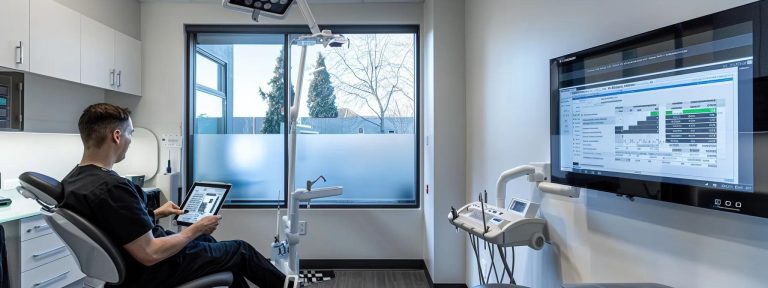
Essential Insights on POS 10 for Medical Billing Professionals
In the fast-paced world of healthcare, managing billing effectively is crucial for any medical facility. Did you know that nearly 30% of billing errors stem from outdated systems? This article offers essential insights on POS 10 for medical billing professionals, covering key features, strategies to enhance efficiency, and potential cost implications for medical facilities. Readers will discover how leveraging POS 10technology can streamline invoicing processes and improve accuracy in medical coding programs, ensuring smoother operations in the field of medicine.
Understand the Key Features of POS 10 for Medical Billing
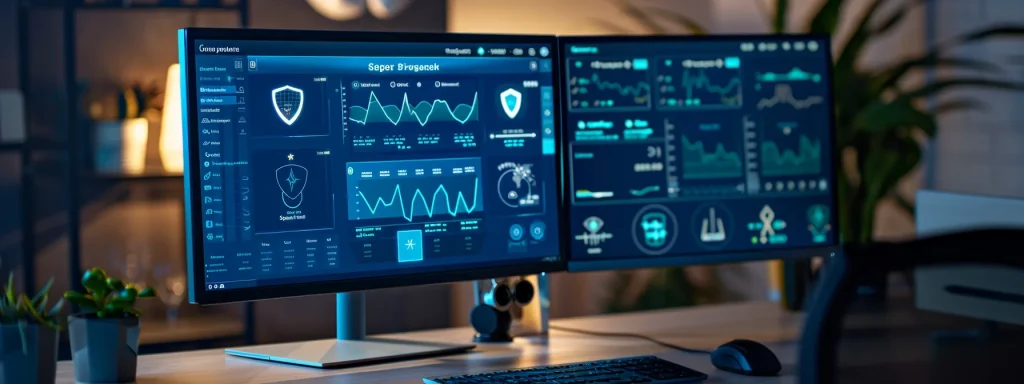
POS 10 offers medical billers essential functionalities that enhance billing processes, including compatibility with medical practice management systems and a user-friendly interface for efficient operation. It prioritizes security measures for patientdata protection and provides robust reporting capabilities to gain financial insights. Additionally, POS 10 integrates seamlessly with other healthcaresoftware, supporting the community of electronic health record users while maximizing revenue percentages through effective billing strategies.
Identify the Main Functionalities That Enhance Billing Processes
POS 10 offers medical billing professionals a range of functionalities that streamline billing and coding processes, catering to the complex needs of the healthcare industry. Its integration with various management systems allows certified professional coders to efficiently enter charges and submit claims, significantly enhancing overall billing accuracy. By providing robust reporting and analytics tools, POS 10 equips users with essential insights into collections and tax implications, ultimately driving informed decisions that improve revenue cycles and compliance with national healthcare standards.
Explore Compatibility With Medical Practice Management Systems
The compatibility of POS 10 with various medical practice management systems is crucial for enhancing operational efficiency in medical billing. By integrating seamlessly with platforms that manage healthinsurance claims, including Medicare, POS 10 allows for accurate charge entry and streamlined claim submissions. This compatibility fosters improved workflow, enabling providers to focus on patient care, while also addressing behaviors related to billing inaccuracies, ultimately ensuring that practices can effectively manage revenue through systems such as telehealth POS, which is increasingly relevant in today’s healthcare landscape.
Review User Interface Design for Ease of Use
The user interface design of POS 10 significantly contributes to the efficiency of certified professional billers in managing medical billing tasks. It features intuitive navigation and clear documentation options that simplify the entry of patientdata and claim submissions. By prioritizing user experience, POS 10 allows billers to focus on revenue maximization and accuracy, addressing common pain points associated with traditional medical billingsoftware.
Examine Security Measures in Place for Patient Data Protection
POS 10 implements robust security measures to safeguard patientdata, a crucial factor in maintaining compliance with medical billing standards and ethical practices. This includes encryption protocols that protect sensitive information during transmission and storage, ensuring that data is only accessible to authorized personnel. Furthermore, adherence to regulations set forth by the Bureau of Labor Statistics highlights the importance of accurate data handling, particularly when managing financial aspects such as flexible spending accounts. By prioritizing security, POS 10 supports medical billing professionals in mitigating risks associated with potential data breaches, offering peace of mind amidst the complexities of Illinoishealthcare regulations.
Assess Reporting Capabilities for Financial Insights
POS 10 provides advanced reporting capabilities that are crucial for medical billing professionals seeking to gain financial insights. These features enable users to track revenue fluctuations and understand the impact of medical coding accuracy on collections, highlighting areas that require attention. By offering tailored reports, POS 10 empowers certified professionals to make informed decisions, ensuring that training programs for staff encompass essential practices related to drug billing and overall compliance, ultimately enhancing operational efficiency and revenuemanagement.
Analyze Integration Options With Other Healthcare Software
POS 10 offers versatile integration options with various healthcaresoftware that streamline datamanagement and enhance operational efficiency for medical billing professionals. By facilitating the exchange of electronic remittance advice and aligning workflows between healthcare providers and their billing teams, POS 10 ensures that medical coding specialists can easily access necessary information. This interoperability not only improves accuracy in claim submissions but also supports continuing education, allowing staff to earn course credit while staying updated with best practices in billing and coding.
Learn How to Improve Efficiency Using POS 10

Implementing best practices for staff training on POS 10 is essential for enhancing efficiency in medical billing. Utilizing automation features can streamline billing processes, while analytics tools provide critical decision-making support. Monitoring transaction workflows helps identify optimization opportunities. Adjusting settings to meet specific practice needs and keeping software updated ensures optimal performance, all of which contribute significantly to improving health outcomes and managing EOB effectively.
Implement Best Practices for Staff Training on POS 10
To enhance efficiency when utilizing POS 10, staff training should focus on key areas such as understandinginsurance processes and mastering current procedural terminology. Training programs should include real-world scenarios, especially within specialized fields like radiology, to prepare staff for common challenges in billing and coding. Additionally, incorporating modules on monitoringelectronic funds transfer will ensure that billing professionals can effectively track and optimize financial transactions, ultimately improving the clinic‘s revenue cycle.
Streamline Billing Processes Through Automation Features
Automation features in POS 10 significantly streamline billing processes, reducing manual errors and minimizing the risk associated with inaccurate diagnosis coding. By integrating statistics from previous billing cycles, medical billing companies can enhance their claims management strategies, allowing for better forecasting and efficient resource allocation. Moreover, training interns with practical tasks on POS 10 equips them with essential skills, preparing them for the complexities of the healthcare billing landscape while promoting a smoother workflow within medical practices.
Utilize Analytics Tools for Decision-Making Support
Utilizing analytics tools within POS 10 significantly enhances decision-making support for medical billing professionals. For instance, by analyzing claims data, professionals can identify trends in insurance reimbursements from providers like Aetna, as well as track outstanding payments related to credit card transactions. This data-driven approach enables billing specialists to refine their superbill practices, ultimately improving revenue cycles and reducing the impact of issues related to billing inaccuracies, including those linked to alcohol-related claims.
Monitor Transaction Workflows for Optimization Opportunities
Monitoring transaction workflows is essential for identifying optimization opportunities within medical billing processes. Professionals should pay attention to the integration of therapy-related charges, vaccine administration, and medication billing, particularly in specialties like emergency medicine. By systematically reviewing these workflows, billing teams can uncover inefficiencies that may adversely impact revenue cycles, ensuring a more accurate assessment of claims related to anatomy and treatment protocols.
Adjust Settings to Match Specific Practice Needs
Adjusting settings within POS 10 to match specific practice needs is vital for enhancing efficiency in medical billing. By configuring options related to preferred provider organizations and ensuring compliance with adjudicator standards, medical billing professionals can streamline workflows tailored to their unique environments, such as rural health settings. Certified billing practitioners can optimize this customization, maximizing the software‘s potential to address specific billing challenges and improving revenue performance across various specialties.
Keep Software Updated for Optimal Performance
To maintain optimal performance of POS 10, it is crucial for medical billing professionals to ensure that the software is consistently updated. Regular updates not only enhance system security, safeguarding sensitive patientinformation related to outpatient surgery and prior authorization processes, but they also improve functionality. Staying current with software updates allows billing teams, including roles like medical assistants and those working with the Indian Health Service, to seamlessly access the latest features and improvements, ultimately leading to more efficient billing practices and better overall performance in managing claims and collections.
Evaluate Cost Implications of POS 10 for Medical Facilities

Evaluating the cost implications of POS 10 for medical facilities involves several critical aspects. This includes breaking down initial investment costs, calculating ongoing maintenance and support expenses, and comparing potential savings from improved billing accuracy. The analysis will also cover available financing options, assess return on investment with case studies, and understand how scalability impacts long-term costs in relation to compliance with the health insurance portability and accountability act, particularly for federally qualified health centers. Emphasizing clinical documentation improvement, these insights are essential for effective workforce development within clinics.
Break Down Initial Investment Costs for POS 10
Breaking down the initial investment costs for POS 10 requires careful consideration of various financial components, including software acquisition, hardware requirements, and installation fees. Medical facilities must evaluate the impact of these costs on revenue cycle management, particularly concerning how accurate medical coding can reduce errors and enhance profitability. For example, facilities focusing on immunization billing may need to invest in additional training for staff to ensure compliance with current regulations, which can influence the overall calculations related to different medical coding salaries.
Calculate Ongoing Maintenance and Support Expenses
Calculating ongoing maintenance and support expenses for POS 10 is essential for medical facilities to ensure sustainable operations in their medical billing services. This includes assessing costs associated with software updates, technical support, and training programs aimed at enhancing the skills of certified medical billing staff. Facilities may also consider the incorporation of analytics tools to monitor performance metrics, ultimately leading to improved revenuemanagement and compliance through ongoing education and apprenticeship initiatives.
Compare Potential Savings From Improved Billing Accuracy
Comparing the potential savings from improved billing accuracy highlights significant benefits for medical billers. By utilizing tools and features within POS 10, clinics can enhance their billing processes, reducing errors related to claims submissions, which directly impact reimbursements from insurance providers such as Tricare. The integration of a patient portal facilitates timely updates and communications, further streamlining workflows and supporting compliance with standards set by the American Health Information Management Association, ultimately leading to increased revenue and optimized practice efficiency.
Review Financing Options Available for POS 10
When reviewing financing options for POS 10, medical facilities should consider various plans that align with their financial capabilities and operational needs. Options may include flexible payment schedules, leasing arrangements, or one-time license purchases that fit within existing insurance plans, helping to minimize upfront costs. Billers, equipped with the right knowledge and experience, can effectively evaluate these financing alternatives to ensure a seamless integration of POS 10, ultimately enhancing billing efficiency and revenuemanagement.
Assess Return on Investment With Case Studies
Assessing the return on investment (ROI) for POS 10 through case studies reveals its effectiveness in enhancing revenuemanagement and operational efficiency in medical facilities. For instance, hospitals that adopted POS 10 have reported significant improvements in their billing accuracy, directly reducing claim denials and expediting reimbursement processes, especially within emergency services. Furthermore, the integration of staff training focused on medical billingcertification within these case studies demonstrates how targeted recruitment of skilled professionals can lead to substantial financial gains through optimized billing practices and streamlined workflows.
Understand How Scalability Affects Long-Term Costs
Scalability plays a significant role in the long-term cost implications of POS 10 for medical facilities. As practices grow, whether in primary care settings or larger campus environments, the ability to adapt billing processes without major overhauls can lead to substantial savings. For instance, a medical coder trained in efficient billing practices can leverage POS 10’s scalability to accommodate increased patient volumes, seamlessly integrating new coding methodologies as operations expand, thus ensuring operational efficiency and cost-effectiveness over time.
Discover Training Resources for Mastering POS 10 Usage

Training resources for mastering POS 10 usage are essential for medical billing professionals to enhance their knowledge and skills. Key areas include locating official training materials provided by the vendor, participating in webinars and online tutorials for hands-on learning, and joining user forums for sharing tips and experiences. Additionally, exploring certification programs and utilizing case studies can provide invaluable insights into real-world applications. Ongoing education helps users keep updated with new features, supporting effective remittancemanagement in healthcare settings.
Locate Official Training Materials Provided by the Vendor
Locating official training materials provided by the vendor is essential for medical billing professionals seeking to master POS 10. These resources often include comprehensive guides and tutorials that enhance understanding of billing processes, crucial for specialties such as primary carephysician practices managing copayments and navigating revenue challenges related to diseasemanagement. Engaging with these training materials equips professionals with the necessary tools to optimize billing for various organ-specific treatments, ultimately improving operational workflows and increasing financial performance.
Participate in Webinars and Online Tutorials for Hands-on Learning
Participating in webinars and online tutorials provides medical billing professionals with practical, hands-on learning experiences essential for mastering POS 10. These interactive sessions allow attendees to engage with industry experts, gaining insights into managing patientdata effectively, including their medical history and insuranceinformation, which is crucial for successful billing processes within managed care systems. Furthermore, such training opportunities are beneficial for those considering outsourcing billing functions, as they enhance professionals’ understanding of best practices, ultimately improving efficiency and accuracy in revenuemanagement.
Join User Forums for Sharing Tips and Experiences
Joining user forums dedicated to POS 10 can be highly beneficial for medical billing specialists looking to enhance their skills and knowledge. These platforms provide opportunities to engage with peers who share insights on effectively managing medical records and navigating the complexities of medical terminology. Discussions often include practical tips on utilizing medical practice management software and understanding the implications of the national provider identifier, ultimately fostering a deeper understanding of best practices in medical billing.
Explore Certification Programs for POS 10 Professionals
Certification programs for POS 10 professionals are essential for acquiring the necessary skills to excel in online medical billing. These programs often incorporate practical applications of the healthcare common procedure coding system and the international classification of diseases, equipping professionals to navigate complex billing scenarios effectively. Additionally, training on relevant topics, such as handling claims related to health savings accounts and ensuring compliance when billing for medical devices, prepares participants to enhance accuracy and efficiency in their practices.
Use Case Studies to Learn From Real-World Applications
Utilizing case studies enables medical billing professionals to understand the practical application of POS 10 in diverse settings, particularly when navigating complexities associated with health insurance in the United States. By analyzing real-world scenarios, such as billing for nursing home services, professionals can grasp how effective use of diagnosis codes and program functionalities leads to improved billing accuracy and compliance. This hands-on learning approach equips billers with the knowledge to tackle challenges and enhance operational efficiency, making it an invaluable resource for mastering POS 10.
Keep Updated With New Features Through Ongoing Education
Ongoing education is vital for medical billing professionals to stay informed about new features in POS 10, ensuring they can effectively manage payment processes and adhere to legal standards. Engaging with university-sponsored courses or webinars not only helps in obtaining relevant credentials but also provides insights into the latest updates and warrantyinformation related to software functionalities. By prioritizing continuous learning, professionals can enhance their practical skills, ultimately leading to more accurate billing practices within the healthcare landscape.
Navigate Common Challenges Faced With POS 10
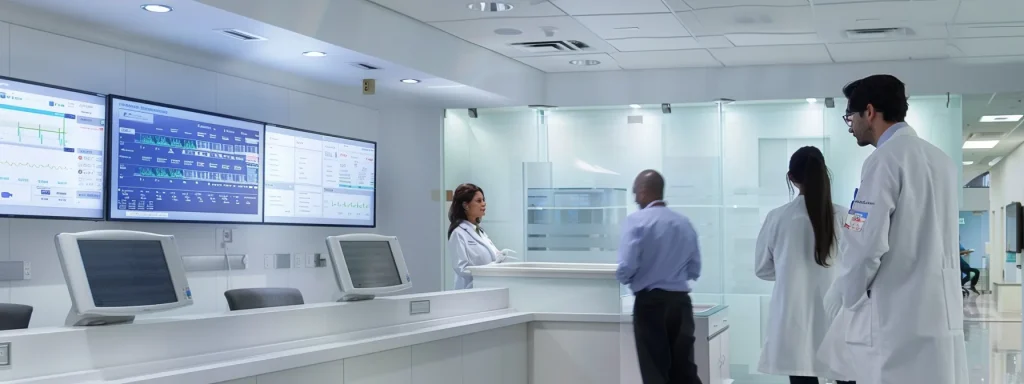
Identifying frequent user errors and troubleshooting connectivity issues are vital for effective use of POS 10 in medical billing. Professionals must explore solutions for seamless integration with existing systems while managing resistance to change among staff members. Staying informed about software updates and seeking vendor support for complex issues ensures that billing teams effectively navigate the challenges associated with healthcare in the United States.
Understanding these practical insights is essential for enhancing operational efficiencies, ultimately leading to improved interactions with insurance companies and creating a more effective billing process that reflects positively on the organization’s salary structure.
Identify Frequent User Errors and How to Address Them
Medical billing professionals often encounter frequent user errors when utilizing POS 10, particularly in outpatient department settings that heavily rely on precise informationtechnology. Common issues include incorrect data entry or misunderstanding functionality, which can delay claim submissions to Medicaid and other payers. To address these challenges, comprehensive training programs focused on healthinformationtechnology best practices are essential, as they can equip staff with the skills needed to navigate the software effectively, thus enhancing overall operational efficiency in health sciences.
Troubleshoot Connectivity Issues Affecting Billing
Troubleshooting connectivity issues is essential for medical billing professionals utilizing POS 10, as disruptions can lead to significant delays in claims processing. Ensuring robust internet connections and verifying contract compliance with service providers can mitigate these challenges. Regular maintenance checks and training staff on best practices in business administration, particularly regarding software integration, are important to maintain operational efficiency, ultimately minimizing the risk of billing errors that could affect patientdebtmanagement and compliance with standards set forth by the World Health Organization.
Explore Solutions for Integrating POS 10 With Existing Systems
Integrating POS 10 with existing systems often requires a strategic approach focused on enhancing overall efficiency in medical billing. Implementing solutions that facilitate the seamless exchange of remittance advice is crucial, allowing for accurate tracking of income and related expenses. For example, aligning POS 10 with accountingsoftware can streamline financial reporting and ensure that surgical billing aligns with other practice operations, ultimately improving cash flowmanagement and reducing potential discrepancies.
Manage Resistance to Change Among Staff Members
Managing resistance to change among staff members when implementing POS 10 is crucial for maximizing efficiency in medical billing processes. Certified medical reimbursement specialists can facilitate this transition by developing clear policies that align with organizational goals and address staff concerns directly. For example, engaging team members in discussions about how the software‘s capabilities will improve cash flow and compliance with the federal acquisition regulation fosters a collaborative environment that mitigates apprehension and encourages acceptance of new workflows.
Stay Informed About Software Updates and Changes
Staying informed about software updates and changes is essential for medical billing professionals using POS 10, especially in the context of evolving regulations such as the Affordable Care Act and its implications for medical necessity determinations. Regularly reviewing updates ensures that billing practices align with current public health emergency protocols, thus enhancing patient satisfaction through accurate and timely billing processes. This proactive approach minimizes disruptions in case of potential adjustments related to services impacting specific systems like the circulatory system, ultimately reinforcing a seamless revenue cycle management strategy.
Seek Vendor Support for Complex Issues
Seeking vendor support for complex issues related to POS 10 is a critical step for medical billing professionals. When challenges arise, especially those impacting point of sale operations or budget constraints, timely assistance can significantly improve accessibility and functionality. Engaging with the vendor not only provides expert insights into resolving technical difficulties but also ensures that medical billing practices adhere to regulatory standards, ultimately enhancing the organization‘s efficiency and revenuemanagement.
Analyze the Future Trends of POS Systems in Healthcare

The future of POS systems in healthcare is shaped by several critical trends. Advancements in artificial intelligence for billing will enhance claims processing efficiency, while the rise of telehealth influences the functionality of these systems, ensuring adherence to patient care standards. As practices shift towards cloud-based solutions, flexibility improves, supported by patient engagement tools that enhance user experience. Additionally, regulatory changes will impact POS operations, necessitating an understanding of emerging technologies relevant to medical coders and human resourcesmanagement.
Investigate Advancements in Artificial Intelligence for Billing
Advancements in artificial intelligence for billing systems in healthcare are transforming workflows, enhancing accuracy and efficiency in claim processing. For physicians and their workforce, AI-powered tools can streamline data entry and automate various billing tasks, significantly reducing costs associated with human errors or labor-intensive processes. As these technologies continue to evolve, medical billing professionals can expect improved compliance measures and optimized operations, ultimately supporting effective revenuemanagement in a rapidly changing healthcare environment.
Review the Influence of Telehealth on POS System Functionality
The influence of telehealth on POS systems is increasingly significant, as health professionals leverage these technologies to streamline billing processes. By integrating telehealth capabilities into POS 10, medical billing can accommodate new service delivery models, particularly beneficial for clinical trials and substance abuse treatment programs. The American Medical Association emphasizes the importance of adapting billing practices to cover virtual consultations and remote monitoring, ensuring compliance with evolving healthcare standards while maximizing reimbursement opportunities.
Observe Shifts Towards Cloud-Based Solutions for Flexibility
As healthcare practices increasingly adopt cloud-based solutions, medical billing professionals are finding enhanced flexibility in their operations. The integration of cloud technology aligns with the American Medical Association‘s guidelines, enabling billers to efficiently manage patientdata, including deductibleinformation and claims processed through CMS. With the growing trend towards telehealth services in nursing and specialized care, cloud-based systems prove invaluable, allowing billing professionals to access vital information anytime, anywhere, thus improving overall workflow and patient engagement.
Assess Patient Engagement Tools That Enhance User Experience
Patient engagement tools within POS 10 play a critical role in enhancing user experience and operational efficiency for medical billing professionals. These tools facilitate seamless communication between patients and healthcare providers, allowing for timely updates on billing status and insurance claims. By integrating effective software documentation practices, coding specialists can ensure that patient inquiries related to billing concerns are addressed promptly, minimizing the risk of disputes or lawsuits related to erroneous charges and maximizing organizationefficiency.
Predict How Regulatory Changes Will Impact POS Operations
Regulatory changes will significantly influence POS operations within the medical billing field, particularly in the realms of insurance billing and compliance. As policies evolve, professionals with a medical coding certification will need to stay informed about updates, ensuring they can accurately navigate the intricacies of each insurancepolicy. This necessity extends to adapting billing practices, such as updating processes related to health savings accounts, to align with both federal regulations and the financial aspects of patient care reliably.
Stay Aware of Emerging Technology Affecting Medical Billing
Staying aware of emerging technology is essential for medical billing professionals as it directly impacts reimbursement processes. Understanding advancements in billing software enhances the skill set needed to manage complex documentation, including the accurate explanation of benefits. For example, technologies that streamline interactions within the emergency department can significantly expedite claim submissions, allowing billing specialists to maximize revenue and minimize delays related to payment processing. By prioritizing ongoing education and staying current with innovations, professionals can ensure they effectively navigate the evolving landscape of healthcare billing.
Key Takeaways: POS 10 for Efficient and Accurate Medical Billing
Understanding the essential insights on POS 10 is crucial for medical billing professionals striving for operational efficiency and accuracy. By leveraging advanced functionalities, robust reporting capabilities, and security measures, practitioners can enhance billing processes while ensuring patientdata protection. Training staff effectively and adapting systems to meet specific practice needs empower teams to navigate the complexities of healthcare billing with confidence. Ultimately, embracing these insights fosters a more efficient revenue cycle and strengthens the financial health of medical facilities.
Learn more about our services on our Pre-Authorization Assistance page.
Visit our services for more details.
Visit our homepage for more details. easycarebilling.com. Contact us Today @ 502-514-9155
Instagram: https://www.instagram.com/medicalbillling/
Twitter: https://twitter.com/vicky_easycare